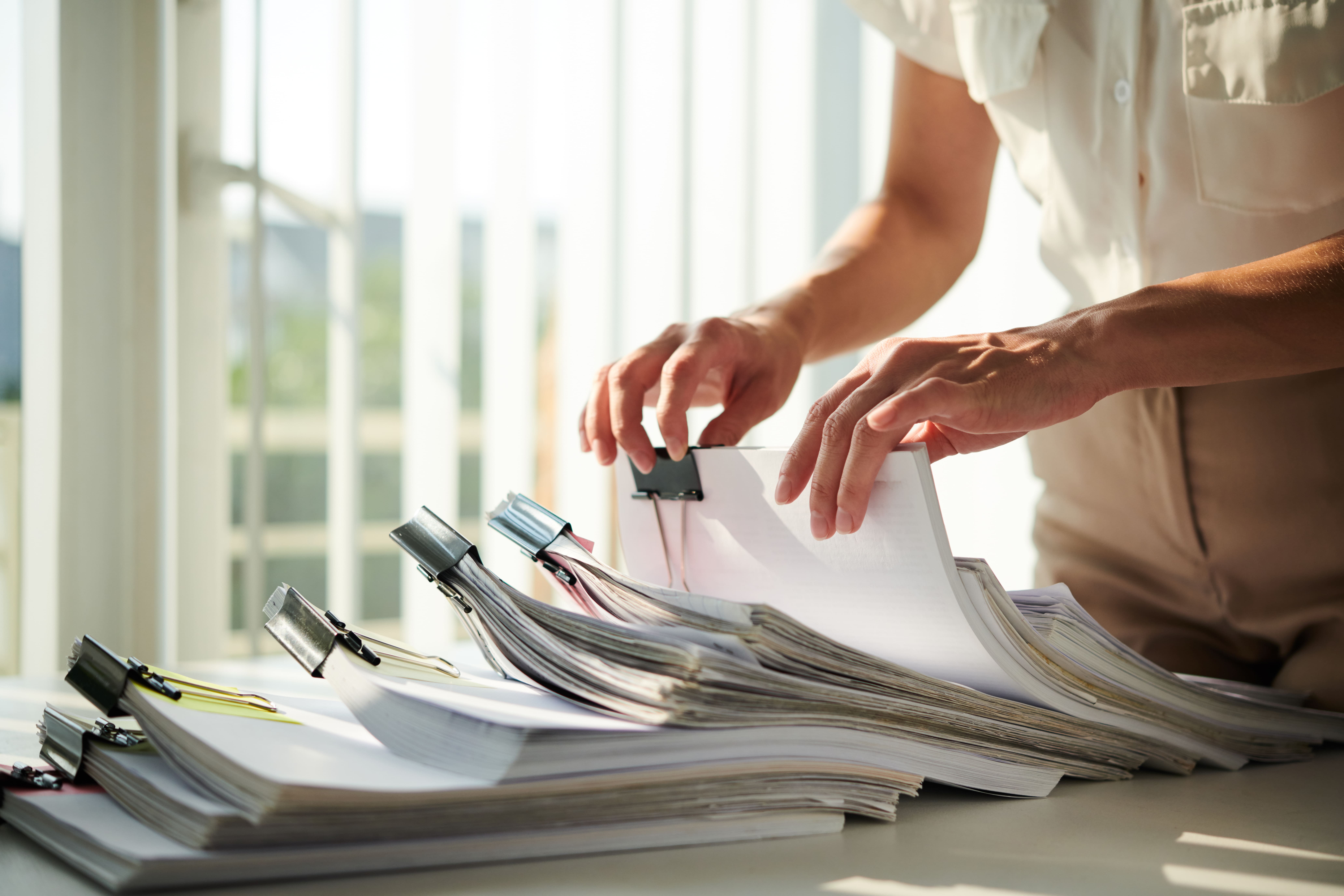
Protect What Matters: If You Had Five Minutes to Grab Important Documents, Would You Know Where They Are?
Protect What Matters: If You Had Five Minutes to Grab Important Documents, Would You Know Where They Are?
Imagine this:
You have just five minutes to leave your home or office because of an emergency. Maybe it's a severe storm, a fire, flooding, or another unexpected situation.
Would you know exactly where your most important documents are?
For many people, the answer is no.
Important paperwork often ends up scattered across filing cabinets, desk drawers, kitchen counters, or forgotten folders. When an emergency happens, every minute counts—and searching for essential documents is the last thing you want to be doing.
Here's how you can prepare before you ever need to.
Why Document Organization Matters
Important documents aren't just pieces of paper—they're the records that help you prove your identity, protect your assets, and manage important life events.
Having them organized can help you:
Respond quickly during emergencies
Access important information when needed
Reduce stress during unexpected situations
Save time throughout the year
Organization isn't just about convenience—it's about preparedness.
Know Which Documents Matter Most
Every household is different, but some documents deserve extra attention.
These may include:
Birth certificates
Passports
Social Security cards
Marriage certificates
Property deeds
Vehicle titles
Insurance policies
Tax records
Medical information
Wills and estate planning documents
Business formation documents
Financial account information
Having these records organized can make recovery much easier after an emergency.
Keep Documents in One Secure Location
One of the best things you can do is designate a secure place for your most important records.
Consider:
A fire-resistant document safe
A locked filing cabinet
A secure storage location
The key is making sure everyone in your household knows where important documents are kept.
Create Digital Copies
While original documents should often be kept in a safe location, digital copies can provide an extra layer of protection.
Scanning important records allows you to:
Access information quickly
Create backups
Share documents securely when needed
Reduce the risk of losing critical information
Just be sure to store digital files securely and protect them with strong passwords.
Review Your Documents Regularly
Life changes—and your document collection should change with it.
Set aside time each year to:
Update insurance information
Remove outdated paperwork
Add new records
Check that digital backups are current
Keeping everything up to date ensures you're prepared when it matters most.
Don't Forget Your Business Records
Business owners should also have quick access to essential documents.
These may include:
Business licenses
Formation documents
Tax records
Contracts
Employee information
Financial statements
Keeping business records organized helps you recover more quickly if an unexpected event occurs.
Dispose of Old Documents Securely
As you organize your records, you'll probably find paperwork you no longer need.
Before throwing it away, ask yourself:
Does this contain personal or financial information?
If it does, secure shredding is a safer option than simply placing it in the trash.
Prepare an Emergency Document Checklist
Consider creating a checklist so you know exactly what to grab if time is limited.
Your checklist might include:
Identification documents
Insurance policies
Financial records
Medical information
Property records
Emergency contact information
Having a plan now can save valuable time later.
How Ship It - Bay & Beyond Can Help
At Ship It - Bay & Beyond, we help individuals and businesses protect and organize important documents with services including:
Professional document scanning
Printing and copying
Secure document shredding
Private and virtual mailbox services
Notary services
Shipping for important paperwork
Whether you're creating digital backups, organizing records, or securely disposing of outdated documents, we're here to help you stay prepared.
The Bottom Line
Emergencies rarely come with advance notice. Whether it's a natural disaster, an unexpected move, or an urgent legal or financial situation, knowing where your important documents are can make a difficult moment much easier to manage.
Take a few minutes today to organize what matters most. Create a secure storage system, scan essential records, and safely dispose of documents you no longer need.
Because if you only had five minutes, you shouldn't spend them searching through drawers—you should spend them protecting what matters most.
