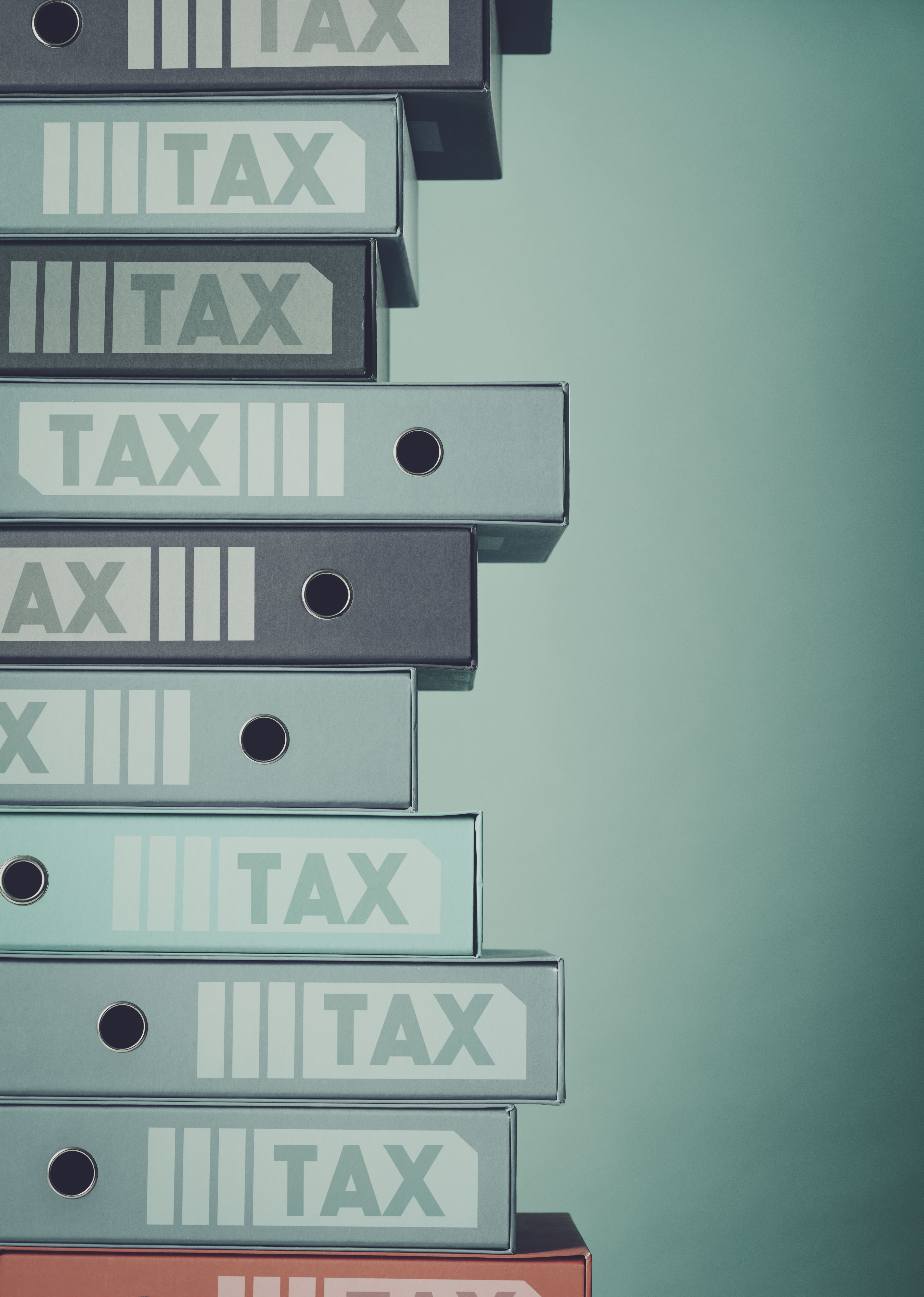
Tax Season Record Organization Tips
Tax Season Record Organization Tips
Tax season doesn't have to be stressful. Whether you're a small business owner, freelancer, or simply organizing your personal finances, keeping your records in order throughout the year can make filing taxes faster, easier, and more accurate.
The best time to organize your records isn't the week before your tax deadline—it's now.
Here are some practical tips to help you stay prepared for tax season.
Keep Business and Personal Records Separate
One of the most common mistakes business owners make is mixing personal and business documents.
Maintain separate files for:
Business income
Business expenses
Personal finances
Tax-related documents
Using separate bank accounts and credit cards for your business can also make recordkeeping much easier.
Create a Filing System
A simple filing system can save hours of searching when tax season arrives.
Organize records into categories such as:
Income and sales
Receipts
Bank statements
Business expenses
Payroll records
Tax forms
Insurance documents
Whether you use physical folders or digital files, consistency is key.
Save Every Important Receipt
Receipts help support your financial records and may be needed to verify expenses.
Consider keeping receipts for:
Office supplies
Equipment purchases
Business travel
Marketing expenses
Shipping costs
Professional services
If you're unsure whether a receipt is important, it's generally better to keep it until you've confirmed it isn't needed.
Go Digital When Possible
Scanning important documents helps reduce paper clutter and makes records easier to access.
Digital copies can help you:
Find documents quickly
Reduce the risk of losing paperwork
Share files securely with your accountant or tax professional
Back up important records
Just remember to store digital files in a secure location.
Label Files Clearly
Avoid file names like "Receipt1" or "Document."
Instead, use descriptive names such as:
2026 Business Expenses
January Utility Bill
Equipment Purchase Invoice
Client Payment Records
Clear labels make it much easier to locate documents when you need them.
Review Your Records Regularly
Don't wait until tax season to organize your paperwork.
Set aside time each month to:
File new documents
Match receipts to expenses
Review financial records
Remove duplicate paperwork
A few minutes each month can save hours later.
Dispose of Old Documents Securely
Once documents are no longer needed and you've confirmed they can be discarded, don't simply throw them in the trash.
Financial and personal records may contain sensitive information such as:
Account numbers
Addresses
Social Security numbers
Tax identification numbers
Secure shredding helps protect your personal and business information from identity theft.
Know Which Documents to Keep
While retention requirements vary depending on your situation and applicable laws, it's generally a good idea to keep important records such as:
Tax returns
Business formation documents
Financial statements
Payroll records
Major purchase receipts
Legal agreements
If you're unsure how long to retain certain records, consult a qualified tax professional or accountant for guidance.
Prepare Before the Deadline
Waiting until the last minute can lead to unnecessary stress and overlooked documents.
Preparing early gives you time to:
Review your records for accuracy
Locate missing paperwork
Ask questions if needed
Complete your tax filing with greater confidence
How Ship It - Bay & Beyond Can Help
At Ship It - Bay & Beyond, we help individuals and businesses stay organized with services including:
Document printing and copying
High-quality scanning services
Secure document shredding
Private mailbox and virtual mailbox services
Notary services
Shipping and mailing solutions
Whether you're organizing tax records, sending important documents, or securely disposing of outdated paperwork, we're here to help simplify the process.
The Bottom Line
Good record organization isn't just helpful during tax season—it's a smart habit that benefits your finances all year long. By keeping documents organized, digitizing important records, and protecting sensitive information, you'll be better prepared when it's time to file.
A little organization today can save you time, reduce stress, and help make tax season much smoother.
