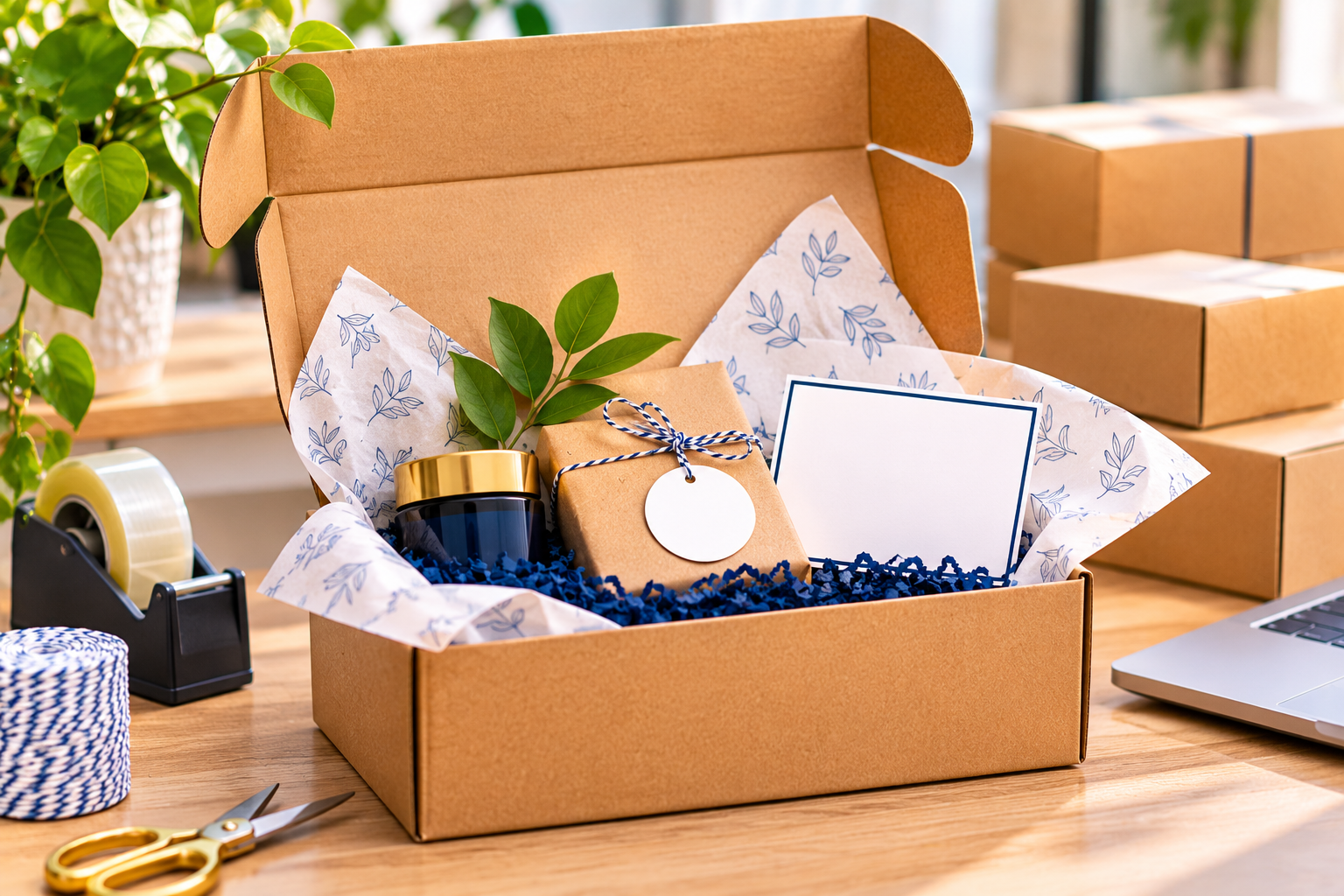
The Rise of Damage-Proof Packaging: How to Protect Your Shipments
The Rise of Damage-Proof Packaging: Why Protecting Your Shipments Matters More Than Ever
Introduction
Imagine ordering a beautiful product online, waiting several days for it to arrive, and finally opening the box—only to discover that the item inside is broken.
It's disappointing for the customer, frustrating for the seller, and potentially expensive for everyone involved.
As online shopping and package deliveries continue to play a major role in everyday business, protecting shipments has become more important than ever.
That's where protective packaging comes in.
From reinforced boxes and cushioning materials to custom-fit inserts and specialized protective solutions, businesses are finding better ways to keep products secure throughout the shipping process.
While no packaging can guarantee that a shipment will never be damaged, the right materials and packing techniques can significantly reduce the risk.
So, what makes packaging more protective, and how can businesses prepare their shipments for the journey ahead?
Let's take a closer look.
1. Why Protective Packaging Is Becoming a Bigger Priority
Every package goes through a journey before reaching its destination.
It may be sorted, transported, loaded, unloaded, stacked, and handled multiple times along the way.
During that process, packages can experience:
Impact from accidental drops.
Pressure from other packages stacked on top.
Movement inside an oversized box.
Vibration during transportation.
Exposure to moisture or changing environmental conditions.
Damage caused by inadequate sealing or handling.
For businesses shipping products regularly, even a small number of damaged orders can create additional expenses and customer service challenges.
Protective packaging helps businesses prepare for these possibilities instead of assuming every package will be handled perfectly.
The goal isn't simply to put a product inside a box. It's to prepare that product for the journey ahead.
2. The Right Box Makes a Difference
One of the most important packaging decisions is choosing the right shipping box.
A box that's too large can allow products to move around during transit. A box that's too small may not leave enough room for protective cushioning.
The ideal box should provide enough space for the product and the necessary protective materials without leaving excessive empty space.
Consider these factors when selecting a box:
Size: Choose a box that accommodates the item and its protective materials.
Strength: Select a box suitable for the product's weight and shipping conditions.
Condition: Avoid boxes with weakened corners, tears, or previous damage.
Shape: Consider the product's dimensions and whether additional support is needed.
Stacking: Think about whether the packaging can withstand reasonable stacking pressure.
For heavier or fragile products, stronger packaging may be necessary.
Using the right box from the beginning can help reduce unnecessary movement and improve overall package protection.
3. Cushioning Materials Help Absorb Impact
Even a strong box may not protect an item properly if there's nothing preventing it from shifting inside.
That's why cushioning materials are essential for many shipments.
Depending on the product, useful materials may include:
Bubble wrap: Helps cushion items against impacts and surface scratches.
Packing paper: Can fill empty spaces and provide support when used appropriately.
Foam inserts: Help secure products and limit movement.
Air pillows: Fill voids inside boxes and help stabilize suitable items.
Protective sleeves: Help prevent scratches and surface damage.
Corrugated inserts: Provide separation and additional structural support.
The best material depends on the product's weight, shape, fragility, and specific protection requirements.
For example, a ceramic item may need individual wrapping and cushioning, while an electronic product may require protection against both physical impact and static electricity.
Remember: Cushioning should protect the product, not simply fill the box.
4. Preventing Movement Inside the Package Is Essential
One common packaging mistake is leaving too much empty space inside a shipping box.
When a package moves during transportation, an unsecured item can shift, collide with the box walls, or hit another item inside.
This is especially risky for fragile products.
Before sealing your package, check that:
Items are individually protected when necessary.
Fragile products are separated from one another.
Empty spaces are filled with suitable cushioning.
Heavy items cannot shift easily.
The contents are not pressing against the box walls.
Multiple items cannot collide during transit.
A useful practice is to gently move the sealed or prepared package before shipping. If the contents noticeably shift, additional support may be needed.
For delicate or unusually shaped products, custom-fit inserts or specialized packaging may offer better protection.
5. Fragile Items Need More Than a "Handle With Care" Label
Adding a fragile sticker can communicate that a package contains delicate contents, but it shouldn't replace proper packaging.
Labels are helpful instructions, not a guarantee that a package will receive special handling.
Fragile items should be protected with appropriate materials and packing techniques before they leave your hands.
Examples include:
Glassware and ceramics: Wrap each item individually and use sufficient cushioning to prevent contact with other objects.
Electronics: Use suitable protective packaging and follow manufacturer or carrier requirements, including any applicable battery and hazardous-material restrictions.
Artwork and framed items: Use appropriate corner protection, surface protection, and rigid outer packaging.
Liquid products: Use leak-resistant primary containers, secure closures, and suitable secondary containment when required.
Delicate accessories: Use protective sleeves, padded mailers, or small boxes depending on the item's structure and fragility.
The more delicate the product, the more important it is to select packaging based on its specific needs.
6. Moisture Protection Is Another Important Consideration
Physical impact isn't the only thing that can damage a shipment.
Moisture can affect paper products, electronics, clothing, documents, and many other items.
Depending on the product and shipping conditions, additional protection may be appropriate.
Some options include:
Plastic protective bags or sleeves.
Moisture-resistant inner packaging.
Properly sealed containers.
Suitable waterproof outer packaging.
Desiccants when appropriate for the product.
It's important to remember that moisture protection should be selected based on the item's requirements. Not every product needs the same level of protection.
For items that are especially sensitive to temperature or humidity, specialized packaging and shipping arrangements may be necessary.
7. Sustainable Packaging Can Still Be Protective
As more businesses consider their environmental impact, sustainable packaging has become an important part of the conversation.
However, choosing environmentally conscious materials shouldn't mean sacrificing product protection.
Depending on the shipment, businesses may consider:
Recyclable corrugated cardboard.
Recycled paper cushioning.
Paper-based protective inserts.
Reusable packaging.
Right-sized boxes that reduce unnecessary material.
Packaging made from appropriately sourced recycled materials.
The key is choosing materials that provide adequate protection while reducing unnecessary waste.
An oversized box filled with excessive materials may increase both packaging costs and shipping expenses.
Right-sizing your packaging can help create a more efficient shipping process.
8. Damaged Shipments Can Affect More Than the Product
When a package arrives damaged, the problem doesn't always end with replacing the item.
Businesses may also have to deal with:
Refunds or replacement costs.
Additional shipping expenses.
Customer service inquiries.
Carrier claims and documentation.
Delayed orders.
Negative reviews.
Reduced customer confidence.
For small businesses, these problems can take valuable time away from sales, marketing, and daily operations.
That's why packaging should be considered part of your customer experience strategy.
A properly prepared shipment helps protect the product, supports customer satisfaction, and reduces the likelihood of avoidable problems.
9. Your Pre-Shipment Protection Checklist
Before sending your next package, take a few moments to review the way it's packed.
Is Your Package Ready for the Journey?
I selected a box appropriate for the item's size and weight.
The box is in good condition.
Fragile items are individually protected.
I used suitable cushioning materials.
There is no unnecessary movement inside the box.
Multiple items are properly separated.
Moisture protection is included when needed.
The package is securely sealed.
The shipping label is clear and correctly positioned.
I checked applicable carrier packaging and shipping requirements.
A few extra minutes spent preparing a shipment can help prevent much bigger problems later.
How Ship It - Bay & Beyond Can Help
At Ship It - Bay & Beyond, we understand that every package carries something important.
Whether you're shipping a fragile personal item, preparing customer orders for your online business, or sending products to clients, proper packaging is an important part of the process.
We offer packing and shipping services through UPS, FedEx, USPS, and DHL, along with packaging supplies to help prepare your shipments.
Our services include:
Packing & Shipping: Explore available carrier options for your package and destination.
Packaging Supplies: Find materials to help prepare and protect your shipments.
Printing Services: Print business documents, promotional materials, and other everyday printing projects.
Private Mailbox Rentals: Convenient mailing address options for eligible personal and business needs.
Package Receiving: Support for receiving packages.
Copying & Scanning: Convenient document services for individuals and businesses.
Not sure how to prepare an item for shipping? Stop by and let us help you explore suitable packing and shipping options.
Because a successful delivery starts with proper preparation.
Proudly Serving the Tampa Bay Area
Ship It - Bay & Beyond is proud to support individuals, entrepreneurs, online sellers, and local businesses throughout St. Petersburg and the greater Tampa Bay Area.
We proudly serve St. Petersburg, Tampa, Clearwater, Largo, Pinellas Park, Seminole, Gulfport, Kenneth City, Treasure Island, St. Pete Beach, Madeira Beach, Indian Rocks Beach, Indian Shores, Redington Beach, North Redington Beach, Redington Shores, Safety Harbor, Oldsmar, Dunedin, Palm Harbor, Tarpon Springs, Belleair, Belleair Bluffs, Lealman, Pinellas County, Hillsborough County, and surrounding communities.
Whether you need professional packing and shipping, printing, a private mailbox, virtual mailbox options, notary services, fingerprinting, secure shredding, document scanning, copying, passport photos, business formation-related services, moving supplies, or other office services, Ship It - Bay & Beyond is your local partner for everyday business needs.
The Bottom Line
Protective packaging is no longer just an extra consideration. It's an important part of shipping responsibly, protecting products, and creating a positive customer experience.
The right box, appropriate cushioning, secure placement, and proper sealing can make a meaningful difference in how well your shipment handles its journey.
You don't need the most expensive packaging available. You need materials and techniques that match what you're shipping.
Don't just package it for delivery. Package it for protection.
Let's Talk!
Have you ever received a package that arrived damaged because it wasn't packed properly? What packaging detail do you think makes the biggest difference?
Share your experience in the comments!
